
Comparing Home Builders in Denver: What Homebuyers Should Know Before Choosing
Choosing a new home is exciting. Choosing the right homebuilder can feel overwhelming. Homebuying is often the largest investment most will make – and who you work with can mean more to you than you know.
Floor plans, pricing, included features, design options, warranties, energy efficiency, customer reviews… there is a lot to compare, especially if you’re buying a newly built home for the first time.
The good news? You don’t have to become a construction expert to make a confident decision. By understanding what to look for and asking the right questions, you can find a builder that aligns with your priorities, your lifestyle, and the way you want to experience the homebuying journey.
And if you’re shopping for a new home in a master planned community like Reunion, you gain another advantage: the ability to compare multiple homebuilder offerings while enjoying the same great location, parks, trails, schools, amenities, and sense of community.
What is the Difference Between Home Builder and Developer?
Many buyers see terms developer and builder interchangeably, but they play very different roles. And to make it more confusing, they can oftentimes be one and the same. Like at Reunion – Oakwood Homes is the community developer as well as one of the homebuilders.
A community developer creates the vision for the neighborhood. They plan where homes, parks, trails, schools, open spaces, recreation centers, and community gathering places will live while establishing the long-term character of the community. And then they bring it all to life around the homes created by the home builders.
A homebuilder brings individual homes to life within that vision. They design floor plans, construct homes, guide buyers through the purchasing process, coordinate design selections, and provide warranty support after closing.
Together, they create the complete homeownership experience.
That’s why it’s important to evaluate both the community you want to live in and the builder you’ll be working with throughout your journey.
Why Comparing Builders Matters More Than You Think
Most homebuyers naturally compare the obvious things first. Like how many bedrooms? How much square footage? What’s the price?
Those questions matter. But they’re only part of the picture.
The builder you choose will also influence how smoothly your homebuying experience unfolds, how much flexibility you have during the design process, how your home performs over time, and who you’ll call if questions arise after move-in.
As home prices across Colorado have continued to climb, buyers have also come to expect more from the experience itself. That doesn’t necessarily mean luxury finishes or extravagant upgrades. It means clear communication, transparency, thoughtful guidance, and confidence from the first model home tour through the day you receive your keys.
In other words, you’re not simply choosing a house. You’re choosing a team to help bring one of life’s biggest investments to life.
Eight Things to Compare Before Choosing a Builder
Choosing the right homebuilder isn’t about finding the “best” one. It’s about finding the best fit for your needs. As you tour model homes and compare builders, keep these eight factors in mind to help you make a more informed and confident decision.

1. Floor Plans That Fit Your Lifestyle
The best floor plan isn’t always the biggest one. Instead, it’s about matching and enhancing how your family actually lives. The best floor plan tends to just work – less wasted square footage; more efficient spaces that create flow and momentum.
Do you work from home? Entertain often? Need a main-floor guest suite? Want space for kids to spread out? Prefer an open kitchen that connects to the living room?
Every builder approaches home design a little differently. Comparing floor plans through the lens of your daily routine often reveals the right fit much faster than comparing square footage alone.
Some builders craft designs geared more toward a certain buyer and their needs. Like empty nesters who need a main floor primary suite. A family that would love a loft upstairs (and laundry upstairs, too). Or a young couple building equity in their future and giving their dog more space inside and out to burn off zoomies.
At Reunion, multiple collections of home styles from multiple builders offer more options for more lifestyle needs without sacrificing amenities.
2. Included Features Versus Optional Upgrades
Model homes are designed to inspire. Which means they also showcase features that may not come standard.
Have a conversation with each builder about what’s included in the base price and which features are available as upgrades, and if they have lifestyle-based packages to combine upgrade options.
Cabinets, flooring, countertops, appliances, lighting, smart home technology, and landscaping all vary from one builder to another, and how they’re packaged (or not) is also approached differently.
Understanding what’s standard helps you make more accurate comparisons and avoid surprises later in the process. And knowing what upgrades are available and how best to stretch for your lifestyle can add value for you now and in the future.
FROM OUR BUILDERS: OAKWOOD HOMES
At Oakwood Homes, we are committed to building thoughtfully designed, high-quality homes that maximize value, functionality and livability for today’s families.
“As buyer needs continue to evolve, our goal is to create homes and communities that adapt with them,” said Ryan Delp, Colorado market president for Oakwood Homes. “From flexible floorplans and multi-use living spaces to a variety of home styles and community amenities throughout Reunion, we focus on delivering attainable homes that support the way people live, work and connect today, without sacrificing comfort or quality.”
3. Opportunities to Personalize Your Home
Some buyers want to personalize nearly every detail. Others would rather choose a thoughtfully designed home that’s ready to move in sooner.
Neither approach is better. It simply depends on your priorities, what you value most in your new home investment, and if you’re able to visit a design center.
Different builders have different approaches to delivering a quantity of quality new homes.
Ask about available design selections, structural options, finish packages, and quick move-in opportunities so you understand the level of flexibility each builder offers.
Some will pre-build a number of various plans, which doesn’t leave many options for structural changes or certain personalization features. And other builders allow dirt-start new homes, meaning you get to choose your plan and significant upgrade options.
While you still may not be able to cherry-pick your lot or homesite, many builders will release batches of home sites for you to choose from. That’s why it’s best to get in early with a builder and stay up-to-date on email notifications about homesite releases.
4. Energy Efficiency and Modern Construction
One of the biggest advantages of buying new is that today’s homes are built with modern building practices and energy-efficient features.
Better insulation, newer windows, efficient HVAC systems, water-saving fixtures, and updated building codes can contribute to improved comfort and lower utility costs compared to many older resale homes.
It’s worth asking builders what energy-saving features are included in every home and how they approach long-term performance. Energy efficiency can be a focus and company value, or an upgrade option – and that’s why comparing homebuilders for more than just the homes they deliver is more important now than ever. It’s important to know how your home is impacting the environment and the world around you, and how your homebuilder is supporting the communities they live and build in.
5. Construction Quality and Craftsmanship
Quality is about more than beautiful finishes.
Pay attention to details when touring model homes. Notice the consistency of finishes, how doors and cabinets operate, trim work, paint quality, and overall craftsmanship. These can be red or green flags about the longevity of the small (and big) things in your home that mean so much and take the biggest daily beatings.
Ask about construction practices, inspection processes, and quality control measures throughout the building process. How involved are you, or how involved would you like to be in the process? Or are you ready to move in now and need to know everything you would’ve learned during the build process?
A reputable builder should be happy to explain how they maintain consistent quality from foundation to final walkthrough and then beyond.
FROM OUR BUILDERS: TRI POINTE HOMES
Tri Pointe Homes believes every homebuying journey is unique. That’s why we offer thoughtfully designed homes, flexible purchase opportunities, and personalization options that help buyers find a home that fits both their lifestyle and their timeline.
“No two buyers are alike, and their homebuying experience shouldn’t be either,” said Ashton Fisher, Director of Marketing for Tri Pointe Homes Colorado. “Whether someone is excited to build from the ground up, wants the opportunity to personalize finishes through our Design Ready homes, or is looking for a move-in ready home that can close in 30 days or less, we offer options that meet buyers where they are. Combined with thoughtfully designed floor plans, standard three-bay garages in one collection and basement home plans in another, we’re able to help more buyers find a home that truly fits their needs.”

6. Warranty and Customer Care
Even well-built homes occasionally need adjustments after move-in. That’s completely normal.
What matters is how your builder responds. A responsive customer care and warranty team can provide peace of mind long after you’ve unpacked the moving boxes.
When comparing homebuilders, it’s important to learn about warranty coverage, customer care procedures, and how service requests are handled after closing. Get the details about what warranties are the shortest and the longest, and whether they’re supplied by your builder directly or through the manufacturer.
It can be frustrating to have to fix something brand-new. When you get to work with your builder – a single source – for warranty calls and service requests then it makes for a less frustrating process to manage.
7. Reputation and Homeowner Reviews
Online reviews shouldn’t be the only factor in your decision, but they can provide a helpful perspective. Instead of just looking at star ratings, pay attention to recurring themes.
Do homeowners consistently mention strong communication? Do they appreciate the warranty process? Would they recommend the builder to family and friends?
As you really get into it with your preferred builder, keep an eye out for how and when you can connect with other homeowners. Like meet and greets or neighborhood events that non-residents can attend.
You can also ask the sales team for opportunities to speak with current homeowners or learn about recent communities they’ve completed.
There are also a number of online tools to add to your resource list, like Avid Ratings and New Home Source.
8. The Overall Homebuying Experience
Sometimes the biggest difference between builders has nothing to do with the home itself. It has everything to do with how you’re treated.
And in today’s marketplace that considers brand interactions and experiences with customer-centric companies like Apple, Hilton, American Express, and the coffee shop where everyone knows your name – you’re likely to put a lot of emphasis on how your homebuilder works with you.
Did the sales team take time to answer your questions? Were they transparent about timelines and pricing? Did they help you understand your options without making you feel pressured? Did they try to get to know you for you instead of pushing you closer to signing a contract?
Buying a home is a significant milestone, and the right builder should make you feel informed, respected, seen, and confident throughout the process.
Why a Master Planned Community With Multiple Builders Can Be an Advantage
Some buyers assume that having only one builder in a community makes the decision easier.
In reality, having multiple respected homebuilder offerings within the same neighborhood often creates more opportunities.
Different builders bring different architectural styles, floor plans, home sizes, personalization options, and price points. That variety allows buyers to focus on finding the home that best fits their needs without sacrificing the community they’ve already fallen in love with.
That’s one of the advantages of master planned communities with multiple builders like Reunion.
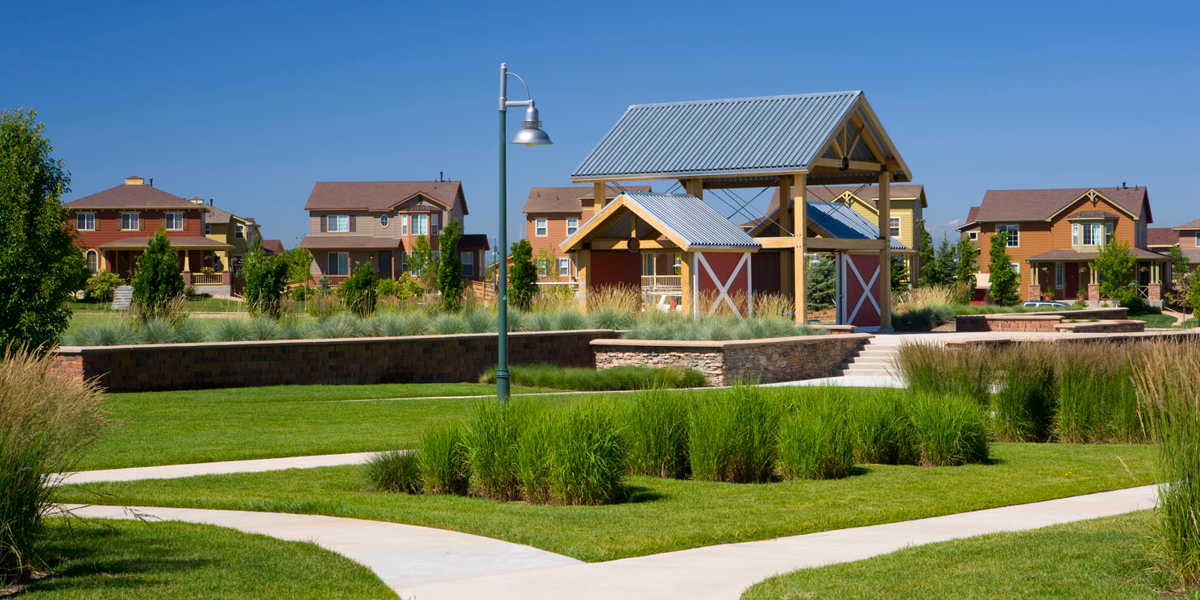
Instead of driving across the Denver metro comparing neighborhoods, schools, commute times, and amenities every weekend, buyers can explore different home collections while enjoying the same award-winning master planned community, connected trail system, neighborhood parks, recreation amenities, community events, and welcoming atmosphere that have made Reunion one of the Denver area’s most established communities.
The community stays the same. You simply gain more ways to find the right place to call home.
Questions to Ask Every Builder Before You Sign
Every builder welcomes informed buyers. Don’t be afraid to ask questions during your model home tours.
Some of the most valuable questions include:
- What features are included in the base price?
- Which upgrades do buyers choose most often?
- What personalization options are available?
- How long does the construction process typically take?
- How will I receive updates throughout construction?
- What warranty coverage is included after closing?
- Who should I contact if I have questions after I move in?
These conversations not only help you compare builders more effectively, but they also give you a better sense of what it’s like to work with each team.
Finding the Right Builder Starts with Finding the Right Community
There isn’t one “best” homebuilder for every buyer.
The best builder is the one whose homes, process, communication style, and customer experience align with your family’s priorities.
That’s why comparing builders is such an important part of buying a new construction home. Buyers in Reunion don’t have to choose between finding a great community or finding the right builder. They can explore multiple homebuilder offerings within one established neighborhood, compare home styles and floor plans, ask questions, and discover which home feels like the best fit for the next chapter of their lives.
After all, choosing a new home isn’t about finding the builder with the flashiest model.
It’s about finding the home, the experience, and the community that feels right for you.
To help guide your comparison, it’s good to have a general understanding of what you’re getting into. Our blog post about the new home construction process in Colorado is a great place to start.
 © 2026 Oakwood Homes |