
The STEAD School in Reunion: A Modern Take on Real-World Learning That Delivers Academic Excellence
Posted on 13 Feb 2026
In the heart of our Reunion community in Commerce City lives a high school that’s redefining what “preparation for the future” looks like. The STEAD School blends hands-on learning with core academic foundations to give students a grounded, relevant, and deeply engaging education experience that goes far beyond textbook memorization. And it’s right here in the neighborhood.
STEAD is more than an acronym — it’s a philosophy. Each letter stands for a domain that drives the school’s curriculum — Science, Technology, Environment, Agriculture, and Systems Design — and brings real-world complexity into students’ everyday studies.
What Makes STEAD Stand Out
At its core, The STEAD School is a project-based learning (PBL) environment, where students learn by doing. Instead of learning subjects in isolation, coursework is integrated into meaningful projects that draw connections between disciplines. A science question might spark a robotics challenge; an agriculture problem might lead into statistics or history — all woven together in context.
This project-driven approach isn’t just buzzwords. It’s anchored in Cognia STEM Certification, a distinction STEAD holds uniquely within the 27J School District, showing that while its methods may feel fresh, they uphold rigorous standards in science, math, and technology education.
Real-World Tools, Real-World Confidence
One of the most striking features of STEAD’s campus is its scale and scope. Students can be found tending sustainable crops, managing a greenhouse, caring for animals, or crafting solutions to food security issues — experiences more often associated with vocational institutes or specialized training programs.
But make no mistake: these experiences do not replace academic grounding — they enhance it. Behind every tool is intentional pedagogy aligned with state and national education standards. As students debug a robot or optimize a hydroponics system, they’re applying algebra, physics, writing, and social science skills in ways that stick far better than memorized formulas on a test.
Moreover, STEAD’s curriculum includes English language arts, history, foreign language, physical education, and creative arts embedded into project frameworks, not as isolated add-ons. This ensures students develop the full spectrum of competencies — from effective communication to critical thinking — that colleges and employers value.
STEAD also provides structured pathways for college and career readiness. Juniors and seniors can earn college credit or pursue certificates in areas tied to their interests, and many graduate with professional portfolios documenting their work and accomplishments.
A Hub of Community and Opportunity
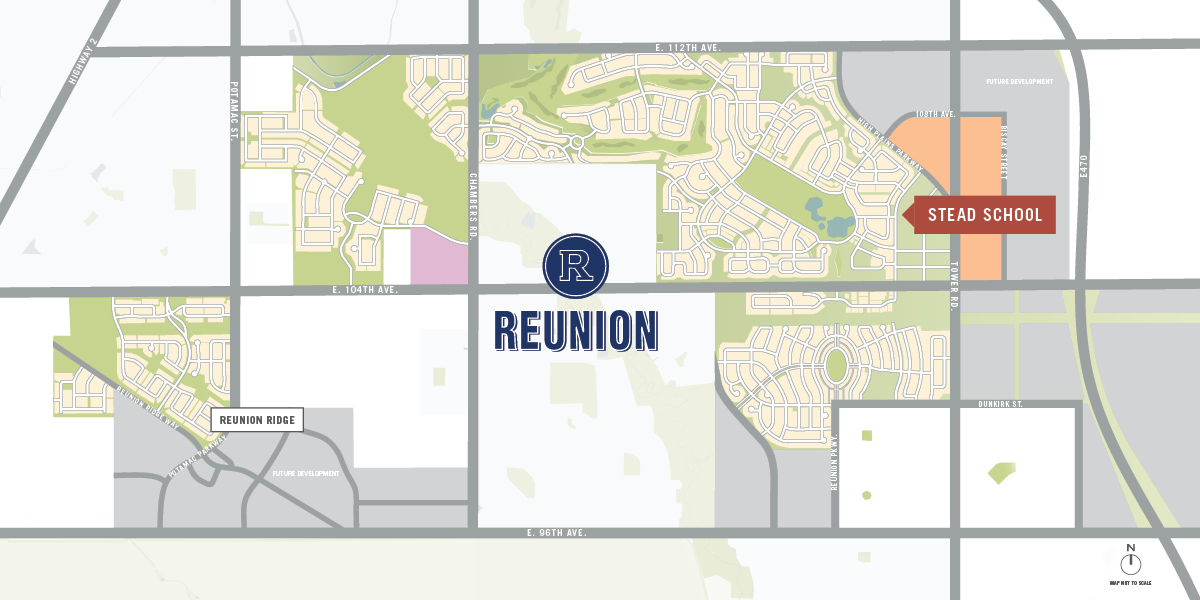
Being located within Reunion isn’t just a geographical fact — it’s part of the school’s identity. Around two-thirds of STEAD students live right in the neighborhood, reinforcing strong ties between community and classroom.
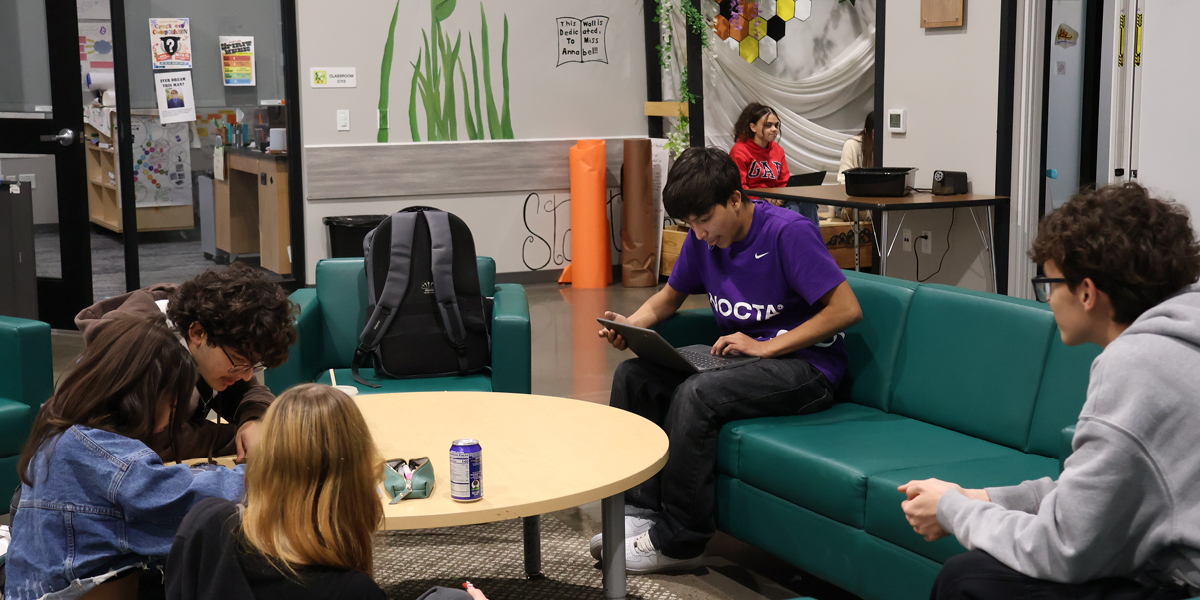
Parents often appreciate the sense of connection and support fostered at STEAD. Smaller class sizes and a relationship-focused approach help students stay engaged, build strong mentorships with teachers, and feel truly known in their learning environment.
The school also understands that learning extends beyond campus. Each quarter includes community-based learning experiences — often immersive and partner-driven — that broaden students’ perspectives and strengthen civic engagement.
So, Why STEAD?
What sets The STEAD School apart isn’t just its innovative curriculum or agricultural focus — it’s how those elements elevate the whole child. It marries traditional academic rigor with future-ready competencies, so students are as prepared for college essays and exams as they are for solving complex environmental or technical problems.
In a world that’s increasingly interconnected and rapidly changing, STEAD’s approach equips students not just with knowledge, but with confidence, adaptability, and purpose — the true markers of success in both higher education and life beyond.
Open enrollment ends on February 17, 2026. If your young learner can benefit from this type of environment, visit https://www.thesteadschool.org/.
